
Loadouts
BRM5 loadout and attachment guide: CQB, marksman, stealth and support builds, armor, helmets, backpacks, night vision and the best gear combos for PvE and PvP.
Introduction
A good loadout turns 70+ weapons and 100+ attachments into a purpose-built kit. CQB builds favor SMGs with red dots and lasers for tight angles, marksman builds use DMRs with scopes and bipods to hold lanes, stealth builds run suppressed weapons with subsonic ammo and night vision, and support builds use LMGs to dominate from vehicles like the Stryker. These guides also cover armor, helmets, backpacks and medkits so your gear matches your role and your mission. Every build balances the same tradeoffs: how much damage you deal, how fast you can move, how much gear you carry and how well you survive after a fight. The guides explain these numbers so you can tune your own kit instead of copying a build blindly, whether you are playing PvE, PvP or the Zombies mode.
Loadout Roles Quick Reference
| Role | Key Gear | Best For |
|---|---|---|
| CQB | SMG, red dot, laser | Buildings and tight corridors |
| Marksman | DMR, long scope, bipod | Holding sightlines and flanks |
| Stealth | Suppressed weapon, subsonic ammo, NVG | Solo clears and night missions |
| Support | LMG, extended mags, armor | Vehicle gunnery and suppression |
Loadout Builds
CQB Breacher
SMG and laser for tight buildings
Stealth Operator
Suppressed rifle for one-man clears
Stryker Gunner
LMG support from the gunner seat
PvP Meta
Recoil-control attachments for duels
Core Mechanics
Attachments are the core of any loadout: muzzle devices control recoil direction, grips reduce horizontal spread, optics change how fast you acquire targets, and lasers improve hip-fire. Armor reduces incoming damage at a weight cost, backpacks raise carry capacity for ammo and medkits, and night vision unlocks more aggressive night play. Because gear costs cash, budget loadouts prioritize a solid rifle and armor before expensive optics. Weight and capacity are the hidden math of loadouts: heavy armor protects you but slows movement and eats stamina, while backpacks raise how much ammo and medicine you can haul. Attachments interact with those choices, so a support build stacks extended mags while a stealth build saves weight for night vision and suppressors.
Advantages
Role-based loadouts remove guesswork: you know which attachments matter for each playstyle and how to spend limited cash. Stealth builds let solo players clear missions that would otherwise require a squad, while support builds turn vehicles into XP farms. The guides also include budget loadouts for new players and meta loadouts for PvP so everyone can jump into the action with a coherent kit. A well-tuned loadout turns moderate skill into consistent results, because you spend less time reloading, healing and fighting the weapon recoil. Budget builds also give new players a clear upgrade path: one reasonable rifle, one armor piece and one utility item beats an empty wallet with three mediocre guns.
Challenges
Loadout guides depend heavily on the current weapon meta, so attachment recommendations can change after every patch. Expensive builds may also be out of reach for new players, and some gear that looks good in the menu performs poorly in practice. Always test a loadout in a cheap mission or the shooting range before committing big cash. Loadout guides age quickly when balance patches change attachment values, and personal play style matters more than tier lists in some modes. A build that works for a sniper fails in close quarters, so always adapt the blueprint to your preferred map and role instead of following it literally.
Frequently Asked Questions
What is the best loadout for a new player?+
Should I use a suppressor for PvE or PvP?+
How should I set up a Stryker gunner loadout?+
Quick Tips
Buy armor before optics: a cheap body armor set keeps you alive through compounds and Zombies hordes, and survivability multiplies every other piece of your loadout's value. Practice your loadout in one cheap mission before taking it into an Operation, because attachment feel and recoil matter more in practice than the stat sheet suggests.
Carry one spare magazine for your primary and one medkit minimum; the most common failure in BRM5 is running dry mid-fight with no heal, so plan ammo and meds around the mission length. Always carry at least one way to heal and one way to fight at close range, even in a sniper build, because extraction routes never go exactly as planned.
Test attachment combos at the shooting range after patches — recoil changes are frequent, and a grip that was best last month may no longer justify its slot. When a new patch lands, re-test your favorite grip and muzzle brake at the range, since attachment meta rotates with every rebalance pass.
Featured
Blackhawk Rescue Mission 5 Best Helmet: Armor, NVGs & Pack
Compare the brm5 best helmet options, pair them with plate carriers, night vision goggles, and backpacks so your operator survives every engagement.
Blackhawk Rescue Mission 5 Best Loadout for Every Mode
Learn the brm5 best loadout for Blackhawk Rescue Mission 5: weapon pairings, armor picks and attachments tuned for PvE, PvP and Zombies mode success in one guide.
Blackhawk Rescue Mission 5 Loadout Examples: Rifle & SMG
Browse brm5 loadout examples for Blackhawk Rescue Mission 5 built for CQB, marksman, stealth and support roles, with weapon combos and budget gear priorities.
All Articles
Blackhawk Rescue Mission 5 Marksman Loadout: DMR & Sniper
Assemble a brm5 marksman loadout tuned for long-range dominance, compare DMR versus sniper setups, and pick the right scope and bipod for every fight.
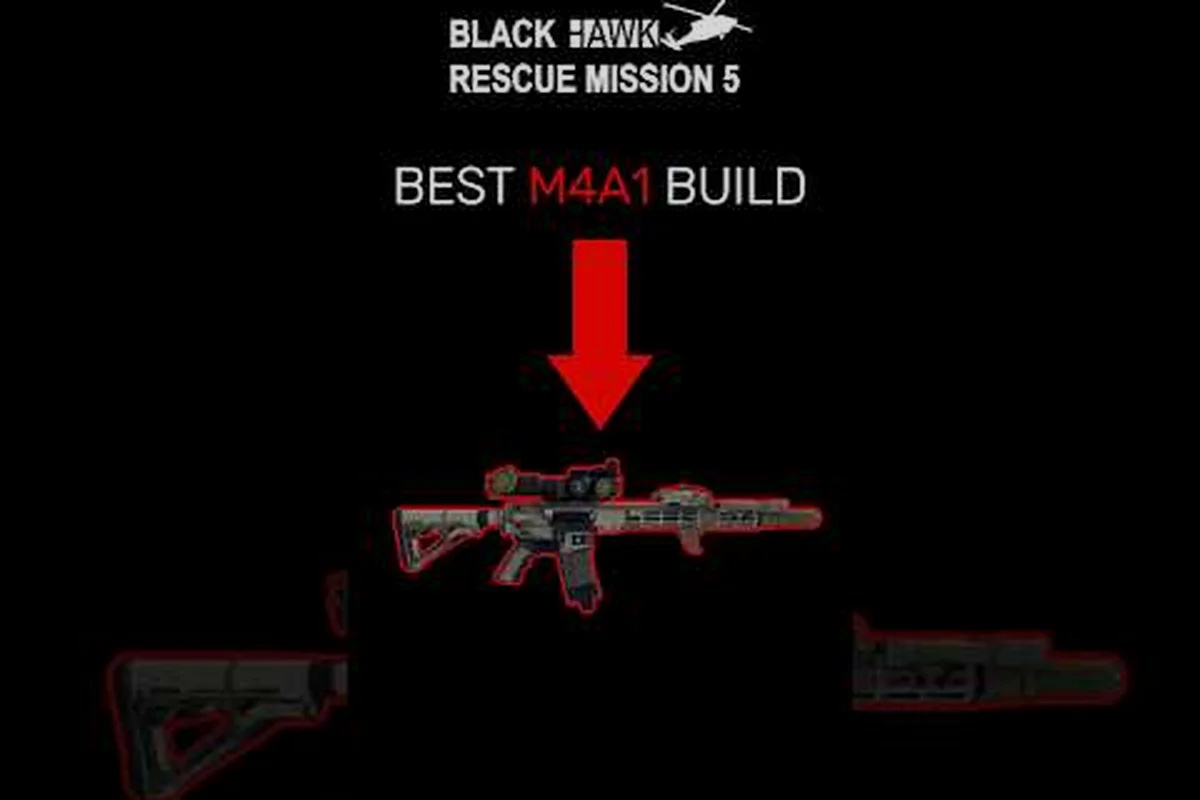
Blackhawk Rescue Mission 5 MK18 Build: Attachments & Armor
Maximize the brm5 MK18 build with top attachments, matching plate carrier armor, and helmet picks that turn the 5.56 carbine into a meta setup.
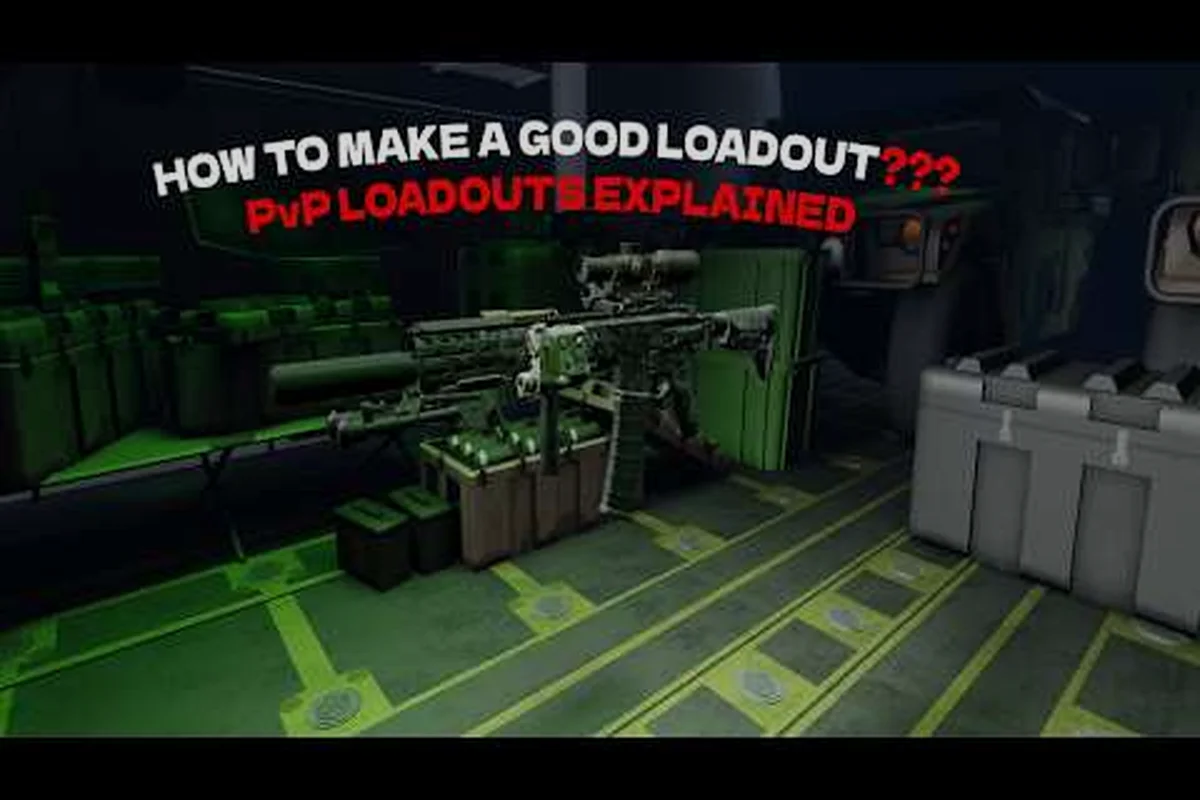
Blackhawk Rescue Mission 5 Budget Loadout Ideas for Newbies
Build a brm5 budget loadout that still wins fights — pick cheap starter weapons, swap attachments smartly, and copy operator setups that save credits.
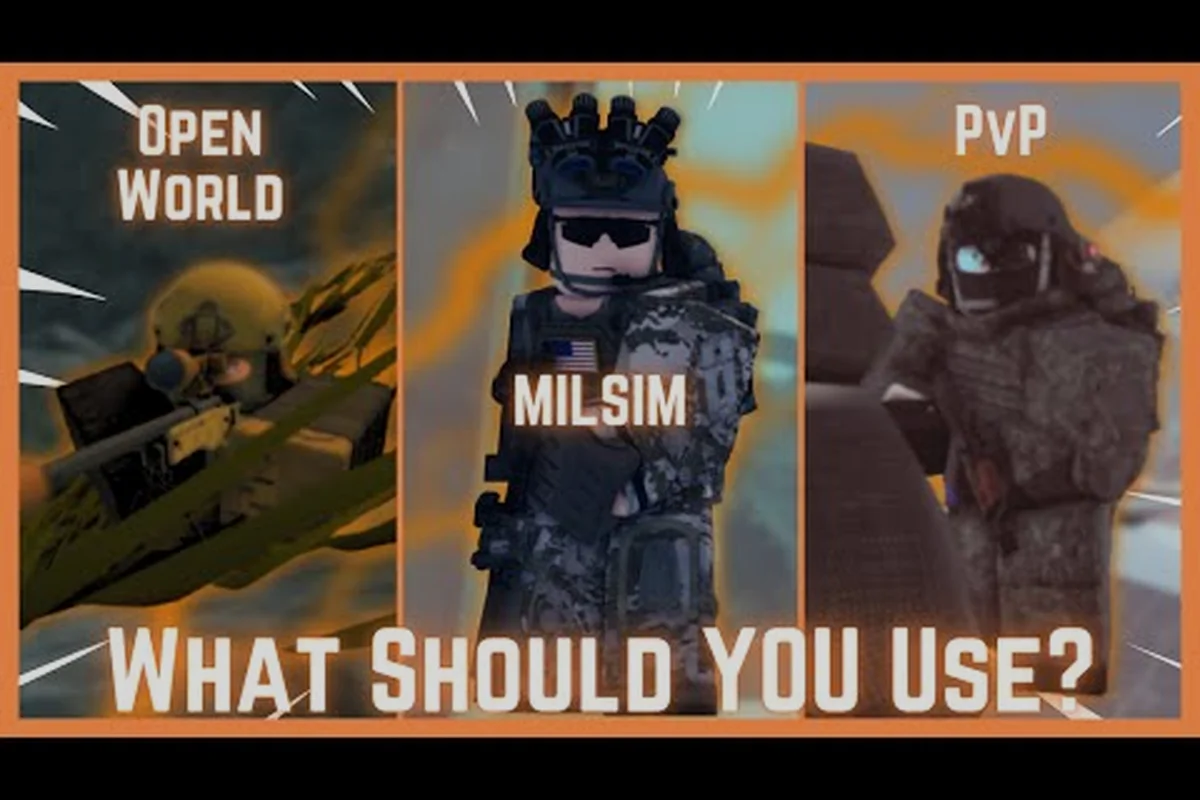
Blackhawk Rescue Mission 5 Gear Setup: Optics & Combos
Dial in your brm5 gear setup with the right optics, primary and secondary weapon combos, and launcher picks so every attachment slot pulls its weight.
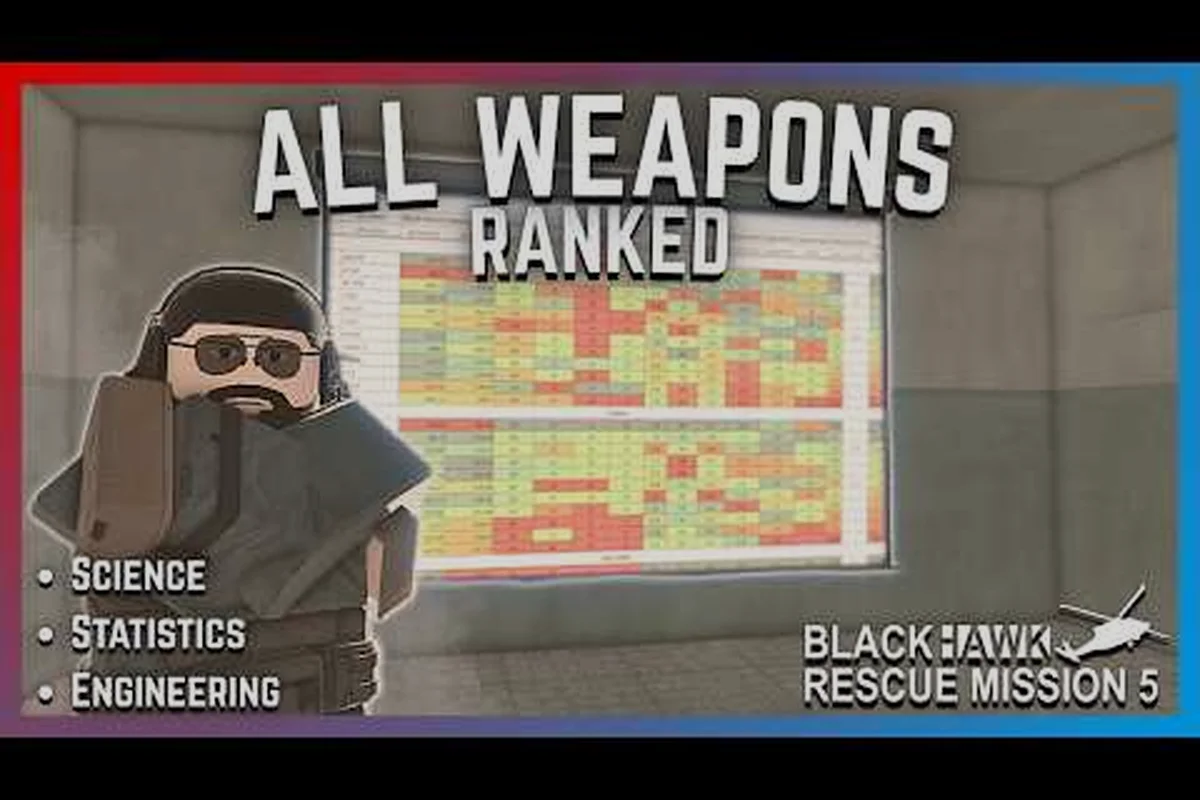
Blackhawk Rescue Mission 5 Grenades: Smart Throwables
Stock your brm5 grenades and throwables smartly — see which frags, smokes, and medkits fit your role, and how loadout space shapes a winning kit.