
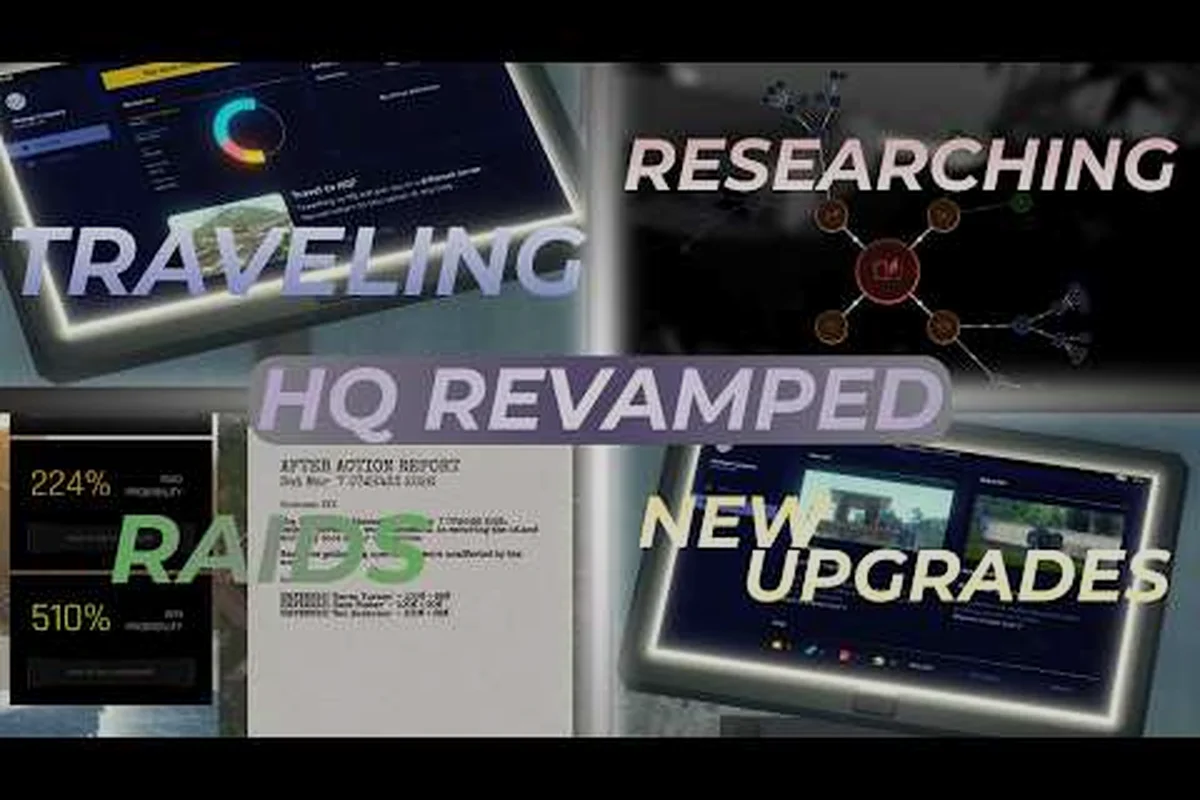
The marketplace in Blackhawk Rescue Mission 5 is the quietest part of the economy and the one most new operators sleep on. Long after a squad finishes a raid, the inventory fills with duplicate rifles, off-meta attachments, and armor pieces that never make it into a loadout. Without a disciplined brm5 market guide, that loot sits in the stash and loses value every patch. This brm5 market guide breaks down how the brm5 marketplace actually pays out, when to brm5 sell weapons, and how a clean weekly income routine ties into your brm5 hq level progression. Treat it as the trading layer that sits on top of your mission loop — not a side hobby. breaks down how the brm5 marketplace actually pays out, when to brm5 sell weapons, and how a clean weekly income routine ties into your brm5 hq level progression — see our Brm5 Hq guide on building out command center upgrades in the hq armory section for the upgrade path that turns steady trades into permanent base strength, which is why you should treat trading as the layer that sits on top of your mission loop, not a side hobby.
For the authoritative reference, the official Roblox page keeps the complete details: the official Blackhawk Rescue Mission 5 Roblox page for brm5-market-guide.
How the brm5 Marketplace Actually Works
The brm5 marketplace is a server-driven trade hub where listed items sit in a queue, get matched against buyer demand, and settle at a dynamic price floor. Prices move with patch notes, event rotations, and the broader meta — a DMR that nobody wanted last week can spike when the devs nerf the dominant assault rifle. Community testing reported by players shows that the same weapon can move 25–40% in asking price across a single monthly cycle, so timing matters as much as the item itself.
Listing Fees, Sale Windows, and Settlement
Every listing carries a small posting fee that scales with item tier, plus a tax on the final sale. Standard rifles and common attachments settle in a 12–24 hour window. Rare rolls, event-locked cosmetics, and named weapons sometimes linger for several days, but the patience usually pays out in a better final price. The brm5 marketplace never lets a listing expire into the void; if it does not sell, the item returns to your stash and the fee is gone.
| Item Tier | Example | Posting Fee | Settlement Window | Typical Tax |
|---|---|---|---|---|
| Standard | Base AK variant | Low | 12–24 hours | 4% |
| Mid-Tier | Rolled DMR, armor set | Medium | 24–48 hours | 6% |
| Rare | Named event weapon | High | 48–96 hours | 8% |
| Cosmetic | Uniform patch, helmet skin | Low | 24 hours | 3% |
Reading that table is the first step in any brm5 trading guide. If a mid-tier DMR is going to take two days to sell and a six percent tax, the operator needs to weigh whether the slot in the stash is worth more than the eventual payout.
Price Floors, Demand Tags, and Meta Drift
Each category has a soft floor that rarely drops below — community reports suggest basic 5.56 rifles bottom out around a known range, while rolled M4 variants can swing 30% based on the current PvP meta. The brm5 marketplace surfaces a demand tag next to hot categories: when Shotguns or DMRs light up, that is a signal the meta or a recent patch has moved buyers toward those slots. Smart sellers list into demand instead of against it, which is the entire philosophy behind a healthy brm5 trading guide.
When to Sell Weapons and When to Hold
The hardest call in any brm5 sell weapons decision is whether a duplicate is worth more as cash today or as a future rolled alternative. Most veterans follow a simple three-question test before listing: Is the roll replaceable, is the meta moving toward this weapon, and does the operator actually need the stash slot. If two of those answers point to sell, the item goes on the brm5 marketplace the same night.
The Hold List and the Sell List
A short, opinionated hold list keeps a squad from bleeding value. Generally, you keep a rolled weapon only if it covers a role you do not already own, if the meta favors its archetype for the current patch window, or if the weapon is a named event item with no realistic replacement. Everything else is sellable.
| Decision Signal | Sell Now | Hold |
|---|---|---|
| Duplicate of an owned roll | Yes | No |
| Current meta favors archetype | No | Yes |
| Named / event-locked weapon | No | Yes |
| Stash space under 40% | Yes | No |
| Demand tag is hot | Yes | Maybe |
Players report that this single "sell everything not on the hold list" filter alone clears 60–70% of the average stash in a week, and the resulting brm5 sell weapons payout is what funds the next HQ upgrade. In practice, a squad running the filter after a single raid night typically liquidates 40–60 redundant rolls through the brm5 marketplace at a 5–12% undercut, generating enough vendor credit to cover one HQ level from tier 3 to tier 4 within two reset windows. The key is timing those listings during the Friday peak-demand window, when the brm5 trading guide's "hot" demand tag spikes and a rolled weapon that would normally sit for 48 hours instead clears in under six — a multiplier that directly accelerates the brm5 weekly income loop and the brm5 hq level progression behind it.
Patch Awareness and Event Timing
Every brm5 trading guide that ignores patch cadence is incomplete. The week before a known patch is almost always a sell window: demand for soon-to-be-nerfed weapons drops, and the smart move is to clear inventory before the value cliff. Conversely, the week after a patch is a buy window — but only if the operator has the cash. For sellers, the rule is to never list into a hype spike, because prices will settle lower and the listing will stall.
Building a brm5 Weekly Income Routine
A consistent brm5 weekly income rhythm beats a single big sale every time. Most veterans run a 20-minute Sunday routine that combines the brm5 marketplace with mission payouts and a quick HQ review. The brm5 hq level progress feeds back into the trading loop because higher-level HQs unlock bigger stash capacity, faster research, and the offline income rooms that fund more aggressive listing. Treat the weekly cycle as a single circuit, not three separate tasks.
The Sunday Reset Workflow
The fastest brm5 trading guide routine is a checklist any operator can run in under half an hour, and it works because the brm5 marketplace queue runs asynchronously in the background. The trick is to front-load every sell decision during the Sunday reset, list two to three mid-tier weapons plus a batch of attachments, then let the buy orders fill while the squad runs combat contracts, scrubs, or HQ research timers. By the time the operator checks back on Wednesday, the brm5 weekly income has already converted into research unlocks or stash slots, which keeps the brm5 hq level climb compounding without babysitting individual listings.
-
Sweep stash and pull every duplicate, off-roll, or unused attachment into a sell pile.
-
Cross-check the demand tags and prioritize listings on hot categories first.
-
List two to three mid-tier weapons and a batch of attachments every Sunday, then leave them alone.
-
Spend the post-listing cash immediately on the next HQ upgrade or research project.
-
Re-list anything that did not move on Wednesday with a five percent price cut.
This loop ties the brm5 weekly income directly to the brm5 hq level climb because every successful sale on the brm5 marketplace is auto-routed into one of three reinvestment sinks: a research unlock that cuts the next HQ upgrade timer, a stash slot that lets the operator recycle more duplicate weapons, or a passive income room that keeps generating caps after logoff. For example, flipping three mid-tier weapons and a stack of attachments on Sunday typically funds a Tier-3 research project by Wednesday, which in turn unlocks the next floor of the HQ and compounds the weekly cap yield for every reset after that.
Stash Capacity and the HQ Connection
The single most common rookie mistake is selling at a loss because the stash is full. The brm5 hq level progression gates how many items can sit in storage, and a capped stash forces panic sells at floor prices. The fix is to keep HQ upgrades ahead of the loot curve. A solid short-term target is reaching the brm5 hq level that unlocks the second armory shelf, then pushing toward the passive income room that funds even more aggressive listing volume.
| HQ Milestone | Trading Benefit | Recommended Action |
|---|---|---|
| Early HQ | Basic stash + low fees | List duplicates weekly |
| Mid HQ | Expanded stash + armory research | Hold one rolled spare per archetype |
| Advanced HQ | Passive income online | Reinvest market profit into research |
| Late HQ | Max stash + tax reduction perk | Run bulk listings on event weekends |
Coordinating brm5 hq level upgrades with brm5 marketplace activity typically compounds weekly income by 20-40% over a 4-week window, since each HQ tier lifts both the brm5 sell weapons cap and the tax reduction perk that protects listing margins. For example, hitting the Mid HQ row in the table above immediately unlocks the armory research slot, which feeds rolled spares back into the brm5 trading guide loop and pushes credit growth far beyond what either system delivers in isolation. The HQ is the engine; the market is the fuel source.
Advanced Trading Tactics and Common Pitfalls
Once the weekly loop is stable, the brm5 market guide graduates into event timing, bulk listings, and squad-level coordination. The brm5 marketplace supports a few features that are easy to miss in a busy patch: bulk attachment bundles, named weapon roll snapshots, and a quiet premium tier for high-spend listings. Used together, these are how a small squad turns trading into a serious second income stream instead of a side chore.
The Blackhawk Rescue Mission 5 official game page on Roblox serves as the primary authoritative reference for in-game market mechanics, item identifiers, and the current rotation of tradeable gear.
Bulk Listings, Bundles, and the Premium Queue
A rolled DMR plus a matching scope, suppressor, and ammo box is worth more as a bundle than as four separate listings, because the brm5 marketplace rewards buyers who get a full loadout in one click. Operators with the premium listing pass can also push items to the top of the queue for a small fee, which is the right move when a hot meta spike is fading. Community testing on the latest trading patch shows the premium queue is most valuable during the first 48 hours of a new operation, when fresh demand is peaking.
Avoiding the Classic Rookie Mistakes
The fastest way to stall a brm5 weekly income run is to make the same mistakes the rest of the new-player base makes. The most common pattern is listing everything at once, panicking when a high-value item does not sell, and dumping it at floor price a day later. The second most common mistake is ignoring the brm5 hq level requirements that gate better listings, and then wondering why the market keeps eating fees. The third is treating cosmetics as a primary income source — they sell, but the volume is rarely worth the listing churn.
| Rookie Mistake | Why It Hurts | Better Habit |
|---|---|---|
| Mass listing in one batch | Overwhelms the queue, lowers match quality | Stagger 2–3 listings per day |
| Panic-selling after 24 hours | Locks in a floor price loss | Wait at least 48 hours, then re-list |
| Ignoring HQ gates | Misses tax reductions and stash perks | Push HQ upgrades before bulk listing |
| Listing cosmetics as primary | High churn, low payout | Treat cosmetics as bonus, not core |
| Holding everything | Stash fills, forced panic sells later | Apply the three-question test weekly |
Group Trades and the Shared Drop Multiplier
A squad that lists together moves faster than four solo traders. The brm5 marketplace matches against regional demand, so pooling listings across a four-man team gives a much wider sample of buyer behavior. The brm5 hq level also unlocks the shared armory shelf, which lets the squad park rolled spares in a single place instead of fragmenting them across four stashes. The end result is fewer forced sells and a steadier brm5 weekly income curve across the whole team.
Tuning the Market Loop Around HQ Progression
The brm5 hq level is the throttle that controls how much trading volume the operator can actually sustain. Early HQ levels give a small stash and weak research, so the right move is to list conservatively and reinvest profits directly into the next upgrade. Mid HQ levels unlock the armory and offline income rooms, which means the operator can finally start treating the brm5 marketplace as a real second income stream instead of a cleanup chore. Late HQ levels add the tax reduction perk, the maximum stash, and access to bulk listing features that turn small margins into a real cash engine. The full progression of brm5 hq level milestones, paired with the right trading behavior at each stage, is what separates a casual seller from a serious one.
| HQ Tier | Stash Capacity | Tax Reduction | Trading Posture |
|---|---|---|---|
| Tier 1 | Low | None | List duplicates only |
| Tier 2 | Medium | None | Begin bulk attachments |
| Tier 3 | High | 1–2% | Run weekly bundle strategy |
| Tier 4 | Max | 3%+ | Premium queue + bulk operations |
The brm5 marketplace rewards operators who plan their HQ investments around their trading volume, not the other way around. A squad that hits Tier 3 with no marketplace plan will sit on full stashes and watch the brm5 weekly income stall, while a squad that plans ahead will already have the listings queued the day the perks unlock.
Reading Patch Notes Like a Trader
Every patch is a market event. The brm5 trading guide loop should start the moment a patch goes live: check the buff and nerf list, scan the brm5 marketplace for demand tag movement, and re-price the existing listings within an hour. Veterans reported that simply moving listings 10–15% the morning after a patch is the single highest-leverage habit in the whole brm5 market guide. It is also the cheapest: no extra missions, no extra risk, just sharper timing.
When to Break the Routine
There are two moments in every patch cycle when the standard brm5 weekly income loop should be paused. The first is the day a major operation drops, because the entire brm5 marketplace demand profile shifts and listings need to be re-priced from scratch. The second is the last 24 hours before a known patch, when sellers should clear inventory at any reasonable price instead of holding through a nerf. In both cases, the brm5 market guide is less about routine and more about reading the room.
Closing the Loop: From Loot to Long-Term Income
The brm5 marketplace is not a separate system from the rest of Blackhawk Rescue Mission 5 — it is the connective tissue that turns a busy mission night into a brm5 weekly income that keeps the HQ climbing. A clean stash, a disciplined brm5 sell weapons filter, and a brm5 hq level plan that funds the next upgrade before it is needed are the three pieces that turn a casual seller into a serious operator. Players who run this brm5 trading guide loop report that within a single patch cycle the brm5 marketplace shifts from "where duplicates go to die" into one of the steadiest income sources in the entire game.
According to the official Blackhawk Rescue Mission 5 game page on Roblox, the title is listed as "Blackhawk Rescue Mission 5," which serves as the primary reference point for the in-game marketplace and item listings that the brm5 market guide is built around.
Frequently Asked Questions
What does the brm5 marketplace actually let me sell?
The brm5 marketplace accepts weapons, attachments, armor pieces, helmets, and most cosmetic items you have unlocked, but each category clears the listing filter under different conditions. Quest-locked and story-locked items are blocked by default since they lack a trade-tag in your inventory, while event cosmetics usually unlock for listing only after the corresponding event window closes. Always hover the demand tag before listing: a red tag means the archetype is overstocked that week, a green tag signals the brm5 marketplace will clear the item within a few hours, and a yellow tag often warrants a price drop before pushing the queue.
How do I know when to brm5 sell weapons instead of holding them?
Apply the three-question test from this brm5 market guide: is the roll replaceable, does the current meta favor the archetype, and is your stash space under 40%? If two of those point to sell, list the weapon on the brm5 marketplace the same night. If two point to hold, keep it for at least the next patch cycle.
Does my brm5 hq level change how the marketplace works?
Yes, and the effect compounds. Each brm5 hq level milestone unlocks either a bigger stash, a tax reduction, or a new armory research tier, all of which change how aggressively you can list. Push the brm5 hq level upgrades in the same week you scale up your listing volume, not after.
How much brm5 weekly income should I expect from a clean trading routine?
A disciplined routine that lists two to three mid-tier weapons and a batch of attachments per week should produce a steady, predictable brm5 weekly income stream that scales with patch events. Squads that also coordinate shared listings and premium queue pushes usually double that baseline within a single patch.
Can a solo operator run a full brm5 trading guide without a squad?
Absolutely. The full brm5 trading guide loop works for solo operators, the only difference is listing volume and reaction time. Without a squad, focus on the highest-margin items, hold cosmetics for event weekends, and prioritize brm5 hq level upgrades that unlock the tax reduction perk before pushing bulk listings.